
 Available in US
Content
Seven Costly Mistakes NHL Bettors Keep Making
I have made every mistake on this list at least once, and several of them more times than I care to admit. The NHL is an unforgiving sport for bettors who rely on intuition over analysis, because the margins are thin and the variance is relentless. Favourites win only 57.3 per cent of the time in the 2025-26 season — down from around 60 per cent three seasons earlier — which means the gap between good teams and bad teams is narrower than in almost any other major sport. In that environment, small analytical errors compound into significant losses over an 82-game season.

What follows is not a lecture. It is a field guide built from personal experience and years of observing other punters repeat the same patterns. Each mistake has a specific cost, a specific cause, and a specific correction. If you recognise yourself in any of these, you are not alone — and the fact that you are reading this suggests you are already ahead of the bettors who never examine their process at all.
Ignoring the Starting Goaltender
This is the mistake I see most often, and it is the one that costs the most money per occurrence. A punter analyses the matchup, identifies value on a team’s moneyline, places the bet — and then discovers after puck drop that the backup goaltender is starting instead of the number-one starter. The line was set with the starter in mind. The backup might be 15-20 per cent less effective by save percentage, and the bookmaker has already adjusted the odds for customers who checked the goaltender announcement before betting. You are now holding a ticket at stale odds.

NHL goaltender announcements typically come 60 to 90 minutes before puck drop, though some coaches confirm their starter earlier in morning skate reports. The difference between a starter posting a .918 save percentage and a backup at .898 is enormous — it translates to roughly one additional goal allowed per 50 shots, which in a league where 75 per cent of games are decided by one or two goals can flip the outcome entirely. I cover the statistical mechanics of goaltending impact in a separate guide, but the practical takeaway is simple: never place an NHL bet without confirming the starting goaltender.
The fix is procedural. Build goaltender confirmation into your pre-bet checklist as a non-negotiable step. Follow beat reporters for the teams you bet on most frequently, bookmark a goaltender-tracking site, and set a personal rule that no bet is placed until the starter is confirmed. This single habit will save you more money over a season than any analytical model.
Blindly Backing Favourites in a Parity League
I went through a phase where I convinced myself that backing NHL favourites was a safe, conservative strategy. The logic felt sound: good teams win more than they lose, so betting on them should produce steady returns. The reality was a slow, grinding loss that took three months to recognise because the wins felt reassuring even as the overall return was negative.

The problem is juice. NHL favourites are typically priced between 1.55 and 1.85 on the moneyline, which means you need to win 55-65 per cent of the time just to break even. But favourites in the 2025-26 season won only 57.3 per cent of games, and that rate has been declining as league parity deepens. Fourteen of 32 teams entered the season at 25-to-1 or shorter to win the Stanley Cup — nearly half the league considered a legitimate contender. When the competitive field is that deep, the favourite’s edge in any single game is smaller than the odds imply.

The correction is not to stop backing favourites entirely — sometimes the favourite is genuinely the best bet. The correction is to stop backing favourites by default. Every favourite bet should survive the same analytical scrutiny you would apply to an underdog selection: does the price accurately reflect the true win probability, or is the market overcharging you for the comfort of backing the better team? If the favourite’s implied probability exceeds your estimated probability, the bet is a loser regardless of the result.
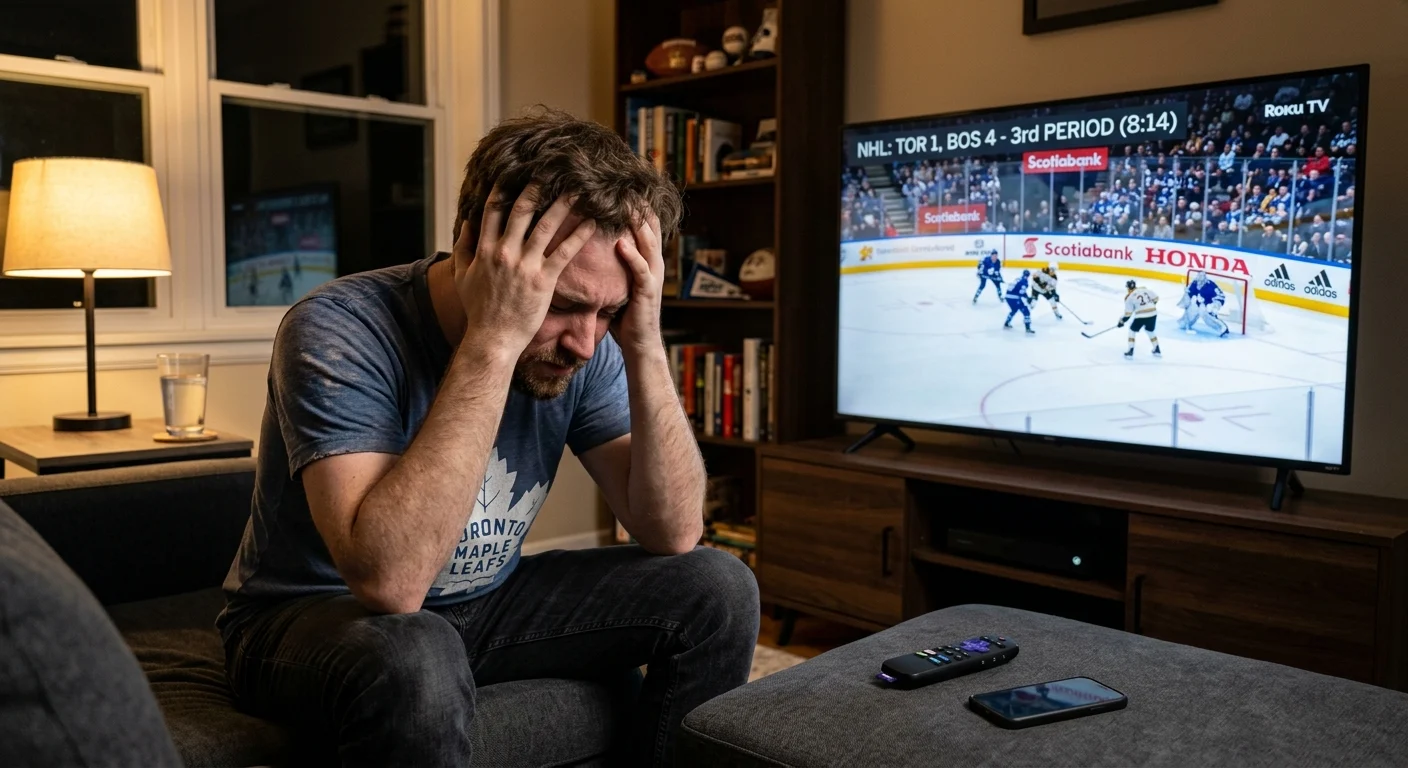
Chasing Losses and Oversizing Bets After Bad Nights
The NHL schedule is the enabler of this mistake. When you lose three bets on a Tuesday night, Wednesday’s 12-game slate is sitting right there, whispering that you can get it all back with a couple of well-placed wagers. The emotional pull is strong, and the availability of games makes it easy to act on impulse rather than analysis.

Chasing losses manifests in two ways. The first is increasing your unit size to recover previous losses faster. A punter who normally bets 20 pounds per game bumps it to 50 after a bad night, reasoning that one winner at the larger stake will erase the damage. But if that larger bet also loses — and with favourites winning only 57 per cent of the time, it often does — the hole is now deeper and the temptation to increase further becomes even stronger. This is the spiral that turns a manageable losing week into a bankroll-threatening crisis.
The second form of chasing is volume inflation. Instead of betting two or three carefully selected games, the punter bets six or eight, lowering their analytical standards to generate enough action to “catch up.” The result is a portfolio of mediocre bets that collectively underperform, accelerating the losses rather than recovering them.
The fix is structural, not motivational. Set a daily maximum number of bets — I use three — and enforce a rule that your unit size cannot change within a calendar month regardless of results. If you lose your daily maximum on Tuesday, Wednesday’s analysis starts fresh with the same unit size and the same selectivity threshold. The NHL season is 82 games long. No single night matters enough to justify abandoning your staking discipline. A structured NHL betting strategy protects you from the emotional decisions that turn a bad night into a bad month.
Overlooking Schedule Context: Back-to-Backs and Road Trips
Schedule context is the hidden variable that separates NHL betting from most other sports. An NBA team playing the second night of a back-to-back faces fatigue, but the physical toll is manageable. An NHL team playing the second game of a back-to-back after a cross-timezone flight — having played a full 60 minutes of high-speed contact sport the previous night — faces a measurably different competitive reality. And the market does not always price this correctly.

Home teams in the NHL win approximately 54-56 per cent of games overall, but that number shifts meaningfully when schedule context is applied. A rested home team facing a back-to-back visitor has a larger edge than the standard home-ice advantage suggests. Conversely, a home team playing the second night of its own back-to-back loses much of its home advantage, particularly if the previous game was a physical, overtime affair.
The mistake is not failing to know that back-to-backs exist — most bettors are aware of the concept. The mistake is failing to check. It takes 30 seconds to look at the schedule and confirm whether either team is playing the second game of a back-to-back, yet a surprising number of punters skip this step and bet on surface-level form. The adjustment to the line may be only 5-10 cents, but over a full season, those marginal edges compound into meaningful profit or loss depending on which side you are on.
Extended road trips — four or five games in different cities over eight or nine days — are another schedule factor that the market underprices. Teams on the tail end of long road trips show measurable declines in shot generation and defensive structure, even if their results during the trip have been positive. The fatigue is cumulative and invisible in the box score until it manifests as a flat, disengaged performance in game four or five of the trip. Checking the schedule is not optional; it is a fundamental part of NHL handicapping.
What is the single biggest mistake NHL bettors make?
Ignoring the starting goaltender. No other single variable swings an NHL game’s outcome as much as the difference between a team’s starter and backup. Always confirm the starting netminder before placing your bet.
Why is backing NHL favourites often a losing strategy?
NHL favourites win around 57 per cent of games, but moneyline odds typically require a 55-65 per cent win rate just to break even. The juice on favourites erodes your edge, especially in a parity league where the competitive gap between teams is smaller than the odds imply.
How do I stop chasing losses during the NHL season?
Set a fixed daily maximum number of bets and lock your unit size for the entire month regardless of results. The NHL schedule offers daily temptation to chase, so structural rules are more effective than willpower alone.
