
 Available in US
Content
Why UK Regulation Matters When You Bet on NHL
A few years ago, a fellow punter told me he had moved his NHL betting to an offshore bookmaker because the odds were marginally better. Within six months, he was chasing a frozen withdrawal and getting nowhere with customer support. That experience — which I have seen repeated across dozens of conversations — is the single best argument for understanding why UK gambling regulation exists and what it actually does for you.

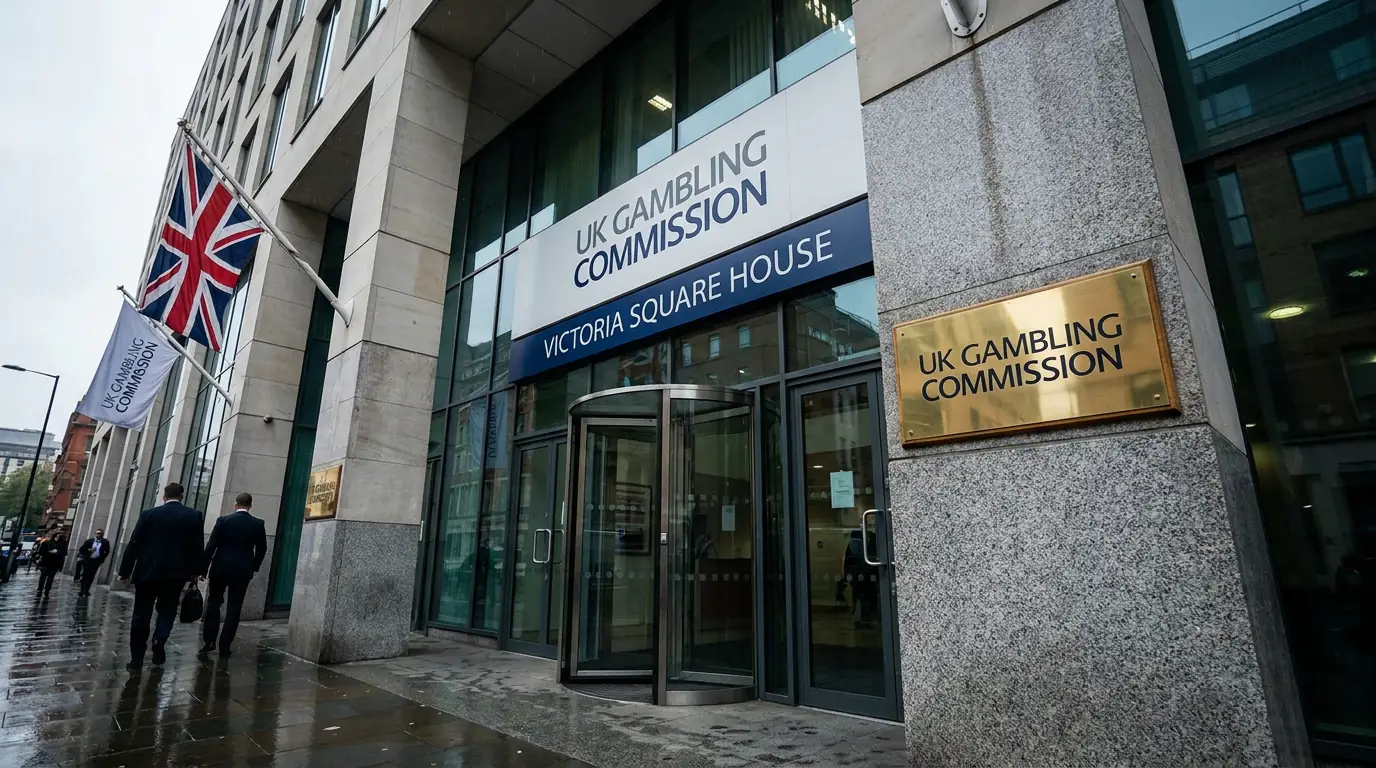
The United Kingdom operates one of the most comprehensive gambling regulatory frameworks in the world. Every bookmaker that offers NHL markets to UK residents must hold a licence from the Gambling Commission, comply with strict financial and operational requirements, and submit to regular audits. This is not bureaucracy for its own sake. It is the infrastructure that ensures your deposits are ring-fenced, your winnings are paid, and your personal data is protected. When you bet on a Tuesday-night NHL game through a UK-licensed operator, you are backed by a legal framework that offshore sites simply cannot replicate.
The UK’s gross gambling yield reached 16.8 billion pounds in the year to March 2025 — a number that reflects the scale and maturity of the regulated market. Hockey is a small fraction of that total, but NHL bettors benefit from the same protections as football punters placing millions on the Premier League. The licensing system does not discriminate by sport; it protects by principle.
The Gambling Commission’s Role in Licensing and Oversight
I once sat through a Gambling Commission enforcement report — not light reading, but genuinely instructive. The detail with which the Commission investigates operator failures — from anti-money-laundering lapses to inadequate affordability checks — is extraordinary. Understanding this body’s role gives you confidence that the market you are betting into is structurally sound.

The Gambling Commission is an independent public body established under the Gambling Act 2005. Its core functions are licensing, compliance monitoring, and enforcement. Every operator offering gambling services to UK consumers must hold a Commission licence, whether the company is physically based in Britain or operates remotely from another jurisdiction. This extraterritorial reach is critical for NHL betting, because most bookmakers offering NHL markets operate digital platforms that serve customers across multiple countries.

Licensing requires operators to meet detailed conditions covering fair terms, responsible gambling measures, identity verification, and financial segregation of customer funds. The Commission conducts regular compliance assessments and has the power to impose financial penalties, attach conditions to licences, or revoke them entirely. In recent years, several high-profile operators have faced multi-million-pound fines for failures in customer interaction and anti-money-laundering controls. These enforcement actions are public, which creates a deterrent effect across the industry.
For the individual punter, the practical benefit is straightforward: if a UK-licensed bookmaker refuses to pay a legitimate winning bet, you have a formal dispute-resolution pathway through the operator’s complaints process and, if necessary, through an approved alternative dispute resolution provider. That pathway does not exist with unlicensed offshore operators, which is why regulatory status should be the first thing you check before depositing a penny.
CAP Code Expansion 2025: What Changed for Sports Betting Marketing
If you watched any sport in the UK during 2024, you were bombarded with betting adverts. The industry recognised the problem before the regulator forced the issue, but the CAP Code expansion that took effect in 2025 marked a significant tightening of the rules around how gambling products are marketed — and it affects how you encounter NHL betting promotions.

The Committee of Advertising Practice — CAP — updated its code to impose stricter requirements on gambling advertising content, placement, and targeting. The expanded rules prohibit adverts that appeal strongly to under-18s, restrict the use of sports personalities and celebrities in gambling marketing, and require clearer presentation of terms and conditions for promotional offers. These changes apply across all media, including digital platforms where most NHL betting promotions are delivered.
Gary Bettman, the NHL’s Commissioner, has spoken openly about how sports betting brings new fans to the game — the idea that someone might place a bet and then tune in to watch a game they would otherwise have ignored. That logic drives the NHL’s commercial partnerships with betting operators, but in the UK, the marketing of those partnerships now operates within tighter boundaries. You will still see NHL betting promotions, but they must meet higher standards of transparency and responsible messaging.
For punters, the practical impact is mostly positive. Promotional offers now carry clearer wagering requirements and fairer terms, because operators know the Commission and the Advertising Standards Authority are scrutinising compliance more closely. The days of misleading “free bet” promotions with buried rollover conditions are waning. When you see an NHL betting offer from a UK-licensed operator, you can have greater confidence that the headline terms reflect the actual deal.
How UK Regulation Protects Hockey Bettors
Regulation is not glamorous, and most punters never think about it until something goes wrong. But the protections embedded in the UK framework have direct, tangible benefits for anyone placing NHL bets, and understanding them makes you a more informed consumer of gambling services.

Financial segregation is perhaps the most important protection. UK-licensed operators must keep customer funds separate from operational funds, which means that if a bookmaker goes into administration, your balance is protected. Approximately 10 per cent of the UK population bet online in 2025 — millions of people whose deposits are safeguarded by this requirement. Offshore operators have no such obligation, and the history of unregulated gambling sites is littered with examples of customer funds vanishing when companies collapse.

Identity verification — the KYC process that sometimes frustrates new customers — serves a dual purpose. It prevents underage gambling and deters fraud. NHL markets attract a niche audience in the UK, and the smaller customer base means operators have fewer data points for fraud detection compared to football markets. Robust KYC procedures compensate for this by ensuring that every account belongs to a verified individual over the age of 18.
Self-exclusion tools, deposit limits, and reality checks are mandated by the Commission for all licensed operators. These tools are not optional add-ons; they are regulatory requirements. If you set a weekly deposit limit of 50 pounds on your account, the operator must enforce it — no exceptions, no override requests. For NHL bettors who face an 82-game regular season plus playoffs, these tools provide structural guardrails that help maintain discipline across a long campaign. I discuss these tools in more detail in my guide to responsible gambling for NHL bettors.
The UK regulatory framework is not perfect, and it continues to evolve. But for NHL punters specifically, it provides a level of consumer protection that makes the regulated market the only sensible venue for your bets. The marginal odds improvement offered by an offshore bookmaker is never worth the loss of these safeguards.
How do I check if a bookmaker is licensed by the UK Gambling Commission?
Visit the Gambling Commission’s public register on its official website. Enter the operator’s name to confirm that it holds an active licence. Any bookmaker offering NHL markets to UK residents without a valid Commission licence is operating illegally.
What happens if a UK-licensed bookmaker refuses to pay my NHL bet?
You should first use the operator’s internal complaints process. If the complaint is not resolved to your satisfaction, you can escalate it to the operator’s approved alternative dispute resolution provider, which is listed on the bookmaker’s website and required by the Gambling Commission.
Did the 2025 CAP Code changes affect NHL betting promotions?
The expanded CAP Code applies to all sports betting advertising in the UK, including NHL promotions. The key changes include stricter rules on celebrity endorsements, stronger protections against marketing to under-18s, and clearer presentation of promotional terms and conditions.
